skip to main | skip to sidebar
GLCtest
  • HOME
    • ABOUT US
    • GLC ANTHOLOGIES
  • LINKS
    • RECOMMENDED SITES
    • DISCLAIMER
  • GLC Global Board
  • AUTHORS
  • CONTACT
  • GLU
  • ICDD
  • Follow Us on Twitter

    Showing posts with label Social Movements. Show all posts
    Showing posts with label Social Movements. Show all posts

    16 April 2012

    The King and Us - Why Thailand’s lèse majesté law matters to unions and the world


    Ian Graham 
    Somyot Prueksakasemsuk

    “Union rights are human rights.” That has been said loud and often. But it bears repeating. Labour rights are specialised extensions of the principles set out in the Universal Declaration of Human Rights. “Everyone has the right to form and to join trade unions for the protection of his interests,” the declaration insists. Nobody reading this column is likely to disagree (except, perhaps, with the “his”). Philosophically, core human rights such as freedom of association have always underpinned core labour rights.

    Read More »

    26 March 2012

    Trade Unions, Class Struggle and Development

    Ben Selwyn
    How do class relations contribute to processes of capitalist development? Can workers’ struggles generate more progressive forms of human development, in the form of improved working and non-working conditions, rising pay and active social movements that bring workers’ concerns to the fore? Within much thinking about development the principal debate over the past 30 years or so has been between advocates of state-led and market-led development. For these advocates either state allocation and generation of resources or market-efficiency generates a growing pot of social wealth which trickles down, at some indeterminate point in the future, to the labouring population.

    Read More »

    21 November 2011

    Supporting Dissent versus Being Dissent

    Steven Toff
    Jamie McCallum
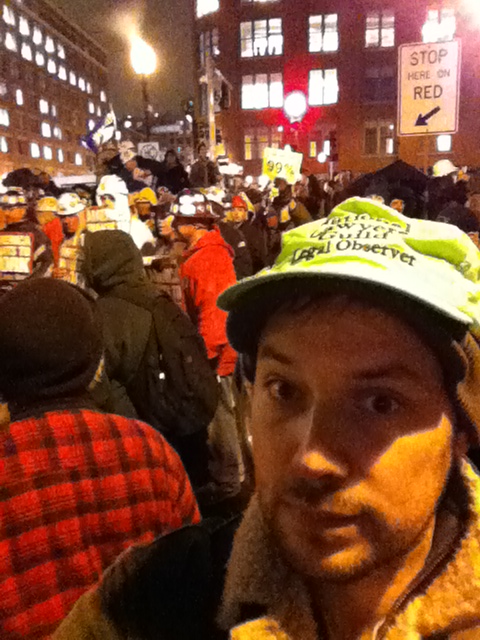
    When the Occupy Wall Street movement (OWS) began on September 17th 2011, few could have predicted the wave of occupations that would soon sweep the rest of the country and indeed much of the world in what has been referred to as the American Fall. While it remains to be seen how this inchoate movement will mature, it has so far exceeded everyone’s calculations - it is the first time since the 1999 anti-WTO demonstrations in Seattle that tens of thousands in the US are taking to the street for economic reasons. Average Americans, many of whom have long understood the moral and economic turpitude at the root of Wall Street, are now expanding that stance to make a wholesale critique of neoliberalism and questioning some of the most foundational principles of capitalism.

    Read More »

    10 October 2011

    Summer days on Utøya

    Dan Gallin
    I shall never forget the summer days I spent in 1955 on Utøya, the small island near Oslo that the Norwegian trade unions had given to the Labour Youth League as a study and leisure centre.
    I had arrived in Europe in March 1953, back from the United States where, as a student, I had discovered socialism in the shape of a Trotskyist dissidence. The brilliant explanation of the world, the heroic and tragic story of the “Old Man” and his movement, had taken hold of my imagination and my emotions. So much so that I drew the attention of the authorities who gave me one month to leave the country.
    So there we were, my companion and I, in Europe and needing to find our bearings. She was a member of the same group. By the summer of 1955, we were ready to discover Scandinavia, the bastion of a social democracy that we viewed with suspicion.
    In Oslo, we found the Labour Youth League in the phone book. We turned up unannounced at the office of the man in charge, who was the General Secretary, and told him we were members of the American Socialist Youth League and we were looking for Norwegian socialists to discuss socialism with. The Norwegian comrade looked at us for what seemed quite a while and then said, “You’ve timed it nicely. Our summer course has just started. Later on, we can take you over there. You can spend a week with us. It’s on Utøya, a little island near Oslo. You’ll see.”
    On Utøya, there is a central building for the logistics (meals, showers, course rooms) and the participants were living in tents pitched all over the place, but mainly in a meadow in front of the building. We were assigned a tent, but we spent most of our time with the young Norwegians. I spent a whole night discussing with Reiulf Steen, who was later to become the Minister of Foreign Affairs and the Prime Minister, very much involved in assisting the resistance movements against the dictatorships in Latin America. We discussed the USSR, its social and political nature, and Stalinism. One night was not enough.
    We met many of the hundreds of young socialists who were full of energy, joy, humour and determination, sons and daughters of the midnight sun which, during the Norwegian summer, never sets. They were ordinary young people, citizens like all others in a social democracy. No professional revolutionaries, but they were out to change the world. There were as many of them on this little island, maybe even more, than in the whole of our American grouplet. The American comrades whom we had left behind were no less committed and courageous, but we had now discovered something we had not experienced before – a mass movement of young socialists.
    This was the movement that Anders Behring Breivik, a fascist activist, attacked on 22 July 2011. After setting off a bomb in the government quarter of Oslo, killing eight people, he landed on the island disguised as a policeman, called together the young people there and started gunning down defenceless youngsters who had not had the slightest inkling of what was about to happen to them. On Utøya, Breivik killed 69 people in the space of an hour and a half.
    Norway’s Prime Minister Jens Stoltenberg, who is also the leader of the Labour Party, declared that the massacre was an assault on democracy and the open society, and he pledged that Norway would not cave in to it. More precisely, though, it was an attack on the Norwegian labour movement. Breivik was quite explicit: the labour movement, guilty of “cultural Marxism”, had to be targeted – and what had to be hit was labour’s most precious asset, its youth, to punish it for betraying the nation by promoting its “islamisation”. If the shooting had happened just a few hours earlier, Stoltenberg himself and former Prime Minister Gro Harlem Brundtland might well have been among the victims. They had visited Utøya that day, to take part in the debates.
    We socialists ought to be more concerned about what is happening to us in Northern Europe. On 28 February 1986, Sweden’s Prime Minister Olof Palme was assassinated. He had been to the cinema with his wife Lisbet, and as usual they had no bodyguards. At 11.20 p.m., while they were walking home, a man stepped up from behind and fired two pistol shots. The first one mortally wounded Palme. The second one injured Lisbet, who survived. The assassin fled and was never found. A man was arrested and sentenced, but was later released upon appeal. The motives for the assassination, and those who may have ordered it, were never identified. The police investigation, which went on for years, led nowhere.
    Stemming from the upper reaches of the bourgeoisie, Palme was a “traitor to his class” and the Swedish Right harboured an intense hatred for him. In government since 1965, twice Prime Minister (1969-1976 and 1982-1986), and Chairman of the Social Democratic Workers' Party(SAP) from 1969 to 1986, he strengthened the Social State even further, as well as the trade unions’ power vis-à-vis the employers. As regards foreign policy, he was the only leader of a western government to oppose the Vietnam War. He also opposed the invasion of Czechoslovakia in 1968, the Pinochet coup in 1973 and more generally, throughout his career, the military dictatorships in Latin America, the fascist dictatorships in Europe and the apartheid regime in South Africa. Although never really on the Left of the Party, he has often been described as a “revolutionary reformist”.
    Palme’s assassination was a turning point in the history of our movement. None of his successors have had his charisma, political intelligence and daring. The SAP lowered its profile. In fact, its moderation probably pushed it out of office. It has lost two parliamentary elections in a row since 2006. It has less of an international presence now, and as a result the Socialist International has lost some more of what little influence remained to it. Had Palme lived, the capitulation of social democracy to neoliberalism and the “third way” buffoonery of Blair and Schröder would have been more difficult. If Palme’s assassination had been the result of a right-wing conspiracy, that plot would have achieved its aims.
    It could all have gone differently. In 1998, Swedish Social-Democracy had somewhat recovered. It had a rising star: born in 1957, Anna Lindh was the brilliant chairperson of the Social-Democratic Youth League from 1984 to 1990, a Member of Parliament from 1982 onwards, Environment Minister in 1994, and Foreign Minister in 1998. She was cast in the Palme mould, and the intention was that she would succeed the dull bureaucrat Göran Persson as head of government and of the Party.
    But the assassin was lying in wait. On the afternoon of 10 September 2003, Anna Lindh was shopping in a Stockholm department store, without any bodyguards of course, when a man knifed her in the chest, stomach and arm. Despite the doctors’ efforts, at 5.29 the next morning she was dead.
    The assassin was caught on 24 September. He was Mihailo Mihailovič, born in Sweden of Serb parents, angry with the Swedish government because it had supported NATO in Kosovo. Following various judicial bouts, and his certification as psychologically deranged, he was sentenced to life imprisonment.
    After Sweden, that historical bastion of Nordic socialism, it is now the turn of Norway, the only remaining Nordic country with a social democratic government that defends progressive causes at the international level as well as defending the social State. Yet again, a lone madman has struck.
    A lone madman? That claim is made mainly by the extreme Right. Because, of course, if the ideas of the extreme Right are to be safeguarded, it is vital to put as much distance as possible between the ideology vehiculated by its parties and the criminal acts their ideology inspires. The belief has to be fostered that fascism is an opinion, not a crime, and that the organisations of the extreme right are made up of normal, ordinary citizens. Whereas in fact, they are nurseries for Breiviks who can emerge anytime, anywhere, armed to the teeth and ready to sow death.
    Shortly after the Norwegian drama, Oskar Freysinger, an extreme right-wing Swiss politician famous for opposing the construction of minarets and for stating that abortion has caused an “invisible genocide”, gave the following reply to a journalist who pointed out that a number of Breivik’s standpoints matched Freysinger’s own and those of his party, the Swiss People’s Party: "Do you think there will be fewer terrorist attacks and madmen if I’m forced into silence? It will be worse!” That answer should be taken as a threat.

    Download this article as pdf

    Dan Gallin is currently chair of the Global Labour Institute (GLI). Prior to this, Dan worked for the IUF (International Union of Food workers) from August 1960 until April 1997, since 1968 as General Secretary. He is currently researching union organization of women workers in the informal economy, labour movement history and issues of policy and organization in the international trade union movement.

    5 July 2011

    Building Progressive Alliances

    Asbjørn Wahl
    The social conflict in Europe has intensified strongly over the past couple of years, in the wake of the financial crisis. The labour and trade union movement has been on the defensive ever since the neoliberal offensive started around 1980. The balance of power in our societies has thus shifted enormously over the past 30 years - from labour to capital, from democracy to market forces. Time is ripe, therefore, to fight back, to build broad social alliances and to reassess our strategies and tactics.
    In this article I will take a closer look at the current situation, address the question of alliance building and particularly summarise some of the experiences we have had in building alliances in Norway. My point of departure is that social development is a question of power, social power, and strength. If we are not able to mobilise sufficient social power behind our many excellent demands, they will only end up as wishful thinking.
    The current situation
    The situation in Europe is going from bad to worse. Subsequent to the financial crisis, we are now facing a crisis of state financing, which is gradually turning into a deep social and political crisis. Add to this the environmental and climate crisis, and the future looks rather dramatic.
    Perhaps we should have expected the financial crisis to be followed by strict regulation of financial capital and an end to the neoliberal experiments which contributed so strongly to it. However, quite the opposite has happened, neoliberals are still running the business, both politically and financially. They have even been able to win hegemony for their interpretation of the crisis. It is no longer the capitalist crisis which has led to the mess, but ordinary people who have been living beyond their means. Workers and pensioners have to foot the bill, after the financial institutions and speculators were rescued by governments. This has led to reactionary and anti-social austerity policies across Europe, including fierce attacks on trade unions as well as on wages, pensions and welfare services.
    One of the reasons for this development is the weak resistance from trade unions and social forces in Europe. As long as we are not able to shift the balance of forces in society, the neoliberals will continue their silent revolution (as EU Commission President José Manuel Barroso has characterised the current attempts to further de-democratise and take control over economic government in the EU). Already in eight of the EU member states public sector wages have been cut and collective agreements set aside through political decrees – without negotiations with trade unions concerned. While employers and governments are thus breaking completely with post-war consensus policies, many trade unions are still clinging to the illusion of a working social partnership, in which reasonable employers will be convinced by our arguments. However, this consensus was based on a particular balance of power which has shifted enormously during the neoliberal era of the past 30 years. What is going on now is therefore a fierce interest-based struggle, and every sign tells us that the confrontations will increase in strength. We are under attack, and it is a matter of urgency to fight back.
    Build alliances
    In order to confront the attacks, we have to reorient our unions, and to build broad social alliances to increase our strength. This is a struggle for power, and the struggle has to be political (not party political, but political in terms of addressing social development in the broad sense). The aim is to widen the social basis of our struggle. To that end, we will have to broaden the perspective of our policies and demands.
    Alliances can change according to the situation and the aim of our struggle. In the current situation, in which the very foundation of our social achievements is being attacked, it is the broad social alliances which are decisive. In other words, we have to identify common interests with other groups in society. Thus, our alliance policy has to be built on class analyses and practice, not on empty rhetoric and lip service.
    Firstly, we have to strengthen our unity within the trade union movement, i.e. in the working class itself, across the divides between public and private, blue collar and white collar, skilled and unskilled, workers and professionals, employed and unemployed, male and female, immigrants and domestically based, as well as formal and informal workers. Secondly, we should build alliances between social classes and strata, like with important parts of the middle class, of peasants, of youth and of women who can be mobilised in favour of social protection and progress. Thirdly, progressive academics and researchers, NGOs and organisations and campaigns which have an understanding of the broader social context are important social allies. Fourthly, and finally, due to the alarming climate crisis, we should seek alliances with those parts of the environmental movement which have an understanding of the social conflict and social justice.
    Norwegian experiences
    In Norway we have been building alliances between trade unions and other organisations and movements for many years. The one I have been in charge of, the Campaign for the Welfare State, was initiated in 1999, by six trade unions in the public sector. Gradually we grew, firstly inside the trade union movement, but then also among other organisations, such as of retired people, peasants, socially excluded people, users of welfare services, women and students. All in all we gathered organisations with more than one million members, which is not bad in a country with only approximately five million inhabitants. Of course there are different levels of participation among these organisations, but even the support from the more passive ones has given us a lot in terms of legitimacy in the social struggle.
    During the general election in 2005 this alliance, in cooperation with other organisations and the broad trade union movement, succeeded in changing the political situation in Norway. It was a favourable climate for change because the existing centre-right government was highly unpopular due to its policies of privatisation and deregulation. Further, the Labour Party had been strongly punished by the voters four years earlier, when it achieved the lowest support in an election since 1924, because of its move to the right. This gave us an opportunity to push the Labour Party to the left and into a coalition with the Socialist Left Party and the Centre Party. Due to this pressure, all the three parties campaigned on an anti-privatisation platform, won the election, and formed a government based on the most progressive political platform in Europe.
    More independent – more political
    We can identify four main pillars which contributed to this success:
    • Focus on alternative analyses – a system critical view of current developments.
    • The building of new, broad and untraditional alliances.
    • The development of concrete alternatives to privatisation and marketisation.
    • The development of trade unions as independent political actors.
    These steps contributed to polarising the struggle between the Right and the Left, something which gave people clear political alternatives and helped mobilise them for progressive change.
    The 2005 red-green government in Norway started off by carrying through a number of progressive policies. However, as time went by, and the pressure from the movement declined, the government began to slide back to old political positions. Even if great parts of the trade union movement politically had become more independent from the Labour Party, other parts were still too loyal to oppose and to keep up the pressure when welfare provisions were weakened and undermined by ‘their own’ government. It is exactly the move to the right of the traditional Social Democratic/Socialist Parties which has made it necessary for trade unions in the current situation to become more independent politically and to take on a wider political responsibility and, not least, to keep up the pressure on the government after it has won the election and taken power.
    So far we have only seen the beginning of the social and political crisis in Europe. In other words, it is time for trade unions which are old-fashioned, afraid of new alliances, afraid of losing control, more or less married to social democratic/socialist parties and locked in by an uninhibited belief in social partnership, to reassess their position. Social resistance to the austerity policies is increasing across Europe, but there is a lack of European coordination and leadership. We have to support those who struggle and follow their example. We have to turn the defensive into an offensive. It is all about power, not only addressing power, but taking power, if we are to stop the current development towards an ever more authoritarian and anti-social Europe.

    Download this article as pdf

    Asbjørn Wahl is Director of the broad Campaign for the Welfare State in Norway and Adviser to the Norwegian Union of Municipal and General Employees. He is also Vice Chair of the Road Transport Workers’ Section of the International Transport Workers’ Federation.

    5 April 2011

    Trade Unions and Worker Struggles in Guangdong

    Chen Weiguang interviewed by Boy Lüthje[1]


    Boy Lüthje


    Chen Weiguang

    BL: How do you assess the labour conflicts in the auto supply industry in South China in the spring and summer of 2010?
    CW: The strike at Honda Nanhai and other auto components factories in the Pearl River delta in June and July 2010 triggered a strike wave that involved several tens of thousands of workers. In the city of Guangzhou alone, more than 60 factories had strikes, including Honda Dongfeng and other major auto suppliers.
    The basic cause of the strikes was low wages and poor working conditions, but the low wages were the main factor. The Guangdong provincial government basically did not view these strikes negatively. We as a trade union found the workers’ demands just and reasonable. Honda and Toyota in Guangzhou are both foreign–Chinese joint ventures, and workers’ wages in these companies were between 2,500 and 3,000[2] RMB  per month. But in Honda Nanhai and many other comparable companies, the wages were much lower, around 1,200 RMB. These companies are profitable ... but their basic wages were about the legal minimum, around 900 RMB.
    We therefore believe that the demands of the workers were justified. But we hope that such economic disputes do not develop into political incidents and will not disrupt social order; this is our bottom line. We have to say that our strikes were very orderly – there were no walkouts from the factories to the streets, no destruction of machinery, no playing politics. Everything remained in the framework of disputes within factories. In all of the more than 60 conflicts in Guangzhou this summer, negotiated settlements were achieved. We can therefore proudly say that in Guangzhou no striking worker was dismissed and not one worker was arrested by the police, although the strikes included tens of thousands of workers. Of course, most of the strikes were rather short, between two or three hours and three days. We also taught our Japanese employers that they cannot treat their workers in such harsh ways.
    BL: In the strike at Honda Nanhai, which gained the most attention from the national and international media, the trade union behaved in very different ways from what you just described.
    CW: In this case, the trade union was not well prepared in its thinking. At the time of the strike, it could not respond with clarity to the demands of the workers. The workers did not accept the trade union as their representative, and the factory trade union lost the workers' trust from the beginning. As the strike went on, the union wavered between management and the workers, and it saw itself as a mediator. Standing between the two sides is the worst position.
    In addition, the workers were confronted with physical force from outside the factory. These incidents cannot be blamed on the trade union, since these individuals were not trade unionists, but outsiders. They hoped to end the strike quickly by disguising themselves as trade unionists. They pushed and dragged workers and hurt some of them slightly. Some workers said they were beaten. The workers felt threatened and left the workshops again. Originally, some had been ready to go back to work.
    After the incident, the trade union issued a letter of apology in an effort to calm the situation. Writing such a letter was equivalent to admitting people were beaten. After the letter was posted on the web, the whole world criticized the trade union. The union failed to explain its position clearly. Because it did not take a clear stand from the beginning, the chain of events following the incident put the union in a bad light. The impact of such an event is very difficult to dispel within a short period of time, and writing this letter only complicated things for the union.
    BL: What was the situation in the other cases, which garnered less public attention?
    CW: In the labour conflicts at Honda’s suppliers of in the city of Guangzhou, especially in the Nansha district, our approach was very different and the trade union behaved proactively. Basically, since 2007 we have educated the trade union cadres that they must represent the workers and not play the middleman. In the event of a strike, even very short ones, the trade unions have to be on the side of the workers and may not act as mediators. When the strike in Nansha occurred, we asked the district-level trade union to intervene immediately and give voice to the demands of the workers. To our knowledge, the wages of workers in this company were similar to those in Honda Nanhai. According to the factory trade union, the workers were demanding an increase in wages and fringe benefits, such as free meals during night shifts and air conditioning in the dormitory. But the company only accepted free meals during night shifts. So we were supporting the workers, but at the same time we were telling them not to disrupt the public order, and not to damage equipment and obstruct vital operations.
    From the beginning to the end, the company did not want to bargain. They told the workers: You can have a raise of 450 RMB, but if you do not accept within 10 minutes, you will have to leave the company. The workers did not give in. They simply continued their strike. This alarmed management, because after three days the Toyota Nansha main factory would have had to stop work. The workers knew their strength. In the end, the company had no other choice than to change its behaviour and bargaining stance. After four hours of negotiations, a wage increase of 825 RMB was agreed upon. The workers perceived this as a victory, and the employers could live with it. The workers' wage now is around 2,000 RMB, still somewhat different from the main factories of Honda and Toyota.
    A very important factor concerning the outcome of this conflict was the attitude of the top political leaders in our province. They had a clear understanding that the nature of the dispute was economic and the strikes should not be treated as destabilizing incidents. Mass activities such as collective resistance, road blockages, protest marches and mass petitioning are considered as being in this category. But in this case, the workers did not leave the factory, everything remained peaceful, there was no yelling and shouting, and it was more like silent resistance. Our provincial party committee noted that these were not destabilizing incidents and that police force should not be used. The government should act as a mediator, and the trade union should bargain with the employer.
    BL: Looking into the future, how do you view the prospects for democratic management of enterprises and collective bargaining?
    CW: This year’s strike movements taught us many lessons. First, they educated our trade union cadres to take a very clear position when handling such conflicts. Second, they taught the employers to treat workers with dignity and not as machines. Third, they taught many of our leaders that labour relations is a very important issue. We have talked for years about the importance of wage negotiations, but this has not had a real impact on the various levels of our leadership and society. After these strikes, many people think it is a good idea to promote wage bargaining. Apart from the discussions about collective bargaining, the question of democratic elections is of the greatest concern to trade union cadres. We now have plans to introduce truly democratic elections of factory trade union representatives. Elections for trade union representatives exist, but how are candidates being selected? Often, the elections do not work very well, and most of the time a small group of leaders decides to support candidates who fit their interests, giving workers only a very limited choice. These superficial elections, in fact, are really appointments. We want to change these methods. Candidates should be recommended by the collective mass of employees: this way, we will be able to create a choice among capable candidates approved by the workers and bottom-up democracy can take shape. At the same time, top-down processes will also become more focused.
    We believe that democracy must be rational and that responsible people should become leaders. Only this sort of democracy constitutes active progress, and is not a destructive force.
    BL: What is your view of the prospects for coordinating wage levels between companies and establishing industry-wide wage standards?
    CW: I am strongly in favour of industry-wide collective bargaining because wage standards can be much more efficiently negotiated at the level of entire industries than they can in companies of various types. We therefore have to bring into play industry trade unions and employer organizations. In the wake of the recent labour conflicts at Denso Nansha in Guangzhou, we looked into the possibility of creating an industrial trade union for the automobile sector. This seems inevitable, yet conditions are not yet ripe at the city level. But we are trying this at least at the district level. In Nansha, the conditions do exist, and the trade union at the Toyota factory in Nansha has taken the lead in developing regular contacts with the trade union at lower-tier suppliers.
    I have learned about the way bargaining is conducted in Singapore. There, the workers' wage is split into three parts: the base wage, monthly premiums and yearly bonuses. The first component makes up 70 per cent of regular pay; this is negotiated by trade unions and employers’ associations at the industry level. The latter two elements are negotiated between unions and management at the factory level. The main part of the wage is subject to industry-wide negotiations, and the smaller part remains open to negotiation within the company. This leaves room for differences, but the differentiations cannot become too big. Besides, a proportion of the base wage of around 70 per cent of regular monthly income is quite healthy. In China, the base wage is very low and the freedom of employers to determine wages is too great. In comparison, I find the Singapore method very good.
    BL: What can be learned from the experiences of Western trade unions in this context?
    CW: As China becomes more open to the market and to the global economy, there is no reason why the trade unions should not study the wealth of international experience, particularly systems of wage negotiations. But this learning must be integrated with our country’s own conditions and experience. Our attitude should be realistic and we should learn from the facts. In this context, we should vigorously support exchange with foreign trade unions and experts.

    [1] The interviewer selected and translated the text.
    [2] One hundred renminbi is equivalent to 15 US dollars.

    Download this article as pdf

    Chen Weiguang is Chairman of the Guangzhou Federation of Trade Unions and Deputy Chairman of the People's Congress of the City of Guangzhou.
    Boy Lüthje is a Senior Fellow at the Frankfurt Institute of Social Research, specializing in economic transformation and labour in China.

    28 February 2011

    Reversing a History of Exclusion through International Labour Law


    Claire Hobden
    Although domestic workers provide crucial care services that make all other work possible, their labour too often is not seen as real work meriting legal protections. This view has resulted in 100 million women and girls left unprotected by national labour law in nearly half the world’s countries. Until recently, domestic workers were excluded even from international labour laws, which is symbolic of the slow evolution of social perceptions of women’s work generally and of domestic work in particular. Reducing the exploitation of domestic workers will therefore require both normative change to reverse the history of exclusion, and social change to actualize their rights. An international labour standard on the rights of domestic workers is essential to achieve both.
    Whether it takes the shape of a binding convention or just a recommendation, an international labour standard for domestic workers is not a stand-alone answer. First, it would provide a minimum standard that purports to provide universal coverage; it constitutes a basis on which campaigns can seek more rights. Second, it gains effect only through implementation, monitoring, enforcement, and cultural change. Its use domestically as a campaign tool can increase its usefulness as a labour standard. If won, a binding convention is possibly the most effective way of holding states accountable by providing a baseline standard against which the promotion and protection of the rights of domestic workers can be monitored and enforced.
    This article argues first that an international labour standard would extend necessary protections to domestic workers. Second, the standard-setting process provides a compelling campaign tool to mobilize domestic workers and raise awareness among states and civil society. Domestic workers are then empowered through their participation in drafting international law, and their input helps ensure the relevance of the standard. By virtue of their participation, domestic workers exercise their civil and political rights, gaining traction and increasing dialogue with their respective governments at the national level. Finally, their engagement provides an accountability mechanism, as international labour standards provide a role for civil society actors in the implementation of their rights.
    Inclusion
    The legislative exclusion of domestic workers is arguably one of the more egregious oversights in labour history. Even when arguing that domestic work is the product of global inequality, and that only structural change can transform the industry, we cannot deny that the culture of disrespect and undervaluing of domestic work is supported by legislative silence at the state and international levels. Despite provisions in existing human rights instruments and ILO conventions that address some of their concerns, domestic workers have been left out of labour legislation in about 40 per cent of countries (ILO, 2010) and excluded from many ILO conventions via a flexibility clause that allows governments to exclude certain limited categories of workers upon ratification of a convention. Such exclusionary practices underline the need to establish domestic worker rights through an international instrument that comprehensively addresses their specific concerns.
    The lack of protection demands an international effort to identify good practices and establish a clear human rights framework. When there are no standards, the normative belief is that anything goes, and that there are no repercussions for abuse. Human rights reports denouncing abuses such as unpaid wages, long working hours without rest, insufficient provision of often inadequate food, substandard accommodation, forced labour, confinement, and emotional and sexual abuse provide ample evidence that such practice is the norm, not the exception (Human Rights Watch, 2006). Establishing fair labour standards makes a statement to both governments and societies about the value of labour, setting a minimum benchmark for employers and governments.
    Campaign Tool
    Negotiating an international standard is an opportunity for domestic workers to build their movements, raise awareness, and increase their policy influence nationally and internationally.
    Labour movement history shows that a strong campaign builds movement, increases union membership, and raises consciousness. In some countries, domestic workers have been organizing locally for decades, using local and regional policy campaigns to encourage worker participation, build cross-sector alliances, and alter the discourse around domestic work through the media. Where domestic worker movements gained less traction locally, the ILO discussion on domestic work legitimized their struggles, drawing government and media attention.
    Increased buy-in from these stakeholders then guides constituents to shift their perceptions of domestic work, egging on the fundamental social change that must accompany policy change to ensure effective implementation. Global multimedia dissemination of campaigns stimulates thinking on a topic that has remained invisible for centuries. Governments, international and domestic actors thus learn about domestic work, and are more likely to address the issues domestically.
    The international standard-setting process also catalyzed transnational domestic worker organizing by providing a common platform. Such collaboration is imperative to protect migrant domestic workers in particular, providing worker organizations from sending and receiving countries with information of use to migrating domestic workers.
    To be clear, the campaign for an ILO convention for domestic workers has not been a campaign for the sake of having a campaign. Although it serves to engage members and build networks, the goal remains establishing and implementing robust labour laws. Moreover, a successful campaign lifts the overall energy of a movement, inflating its power as a domestic force to reckon with.
    Empowerment
    Including domestic workers in negotiating an international labour standard serves to empower historically disenfranchised women and to ensure that the standard is relevant to the sector. Moreover, an ILO instrument would grant domestic workers the right to form or join trade unions, which is still denied to them in many countries.
    Where historically they lacked access to international legislative processes, domestic workers had the rare opportunity to bring their demands directly to the international negotiating table at the International Labour Conference (ILC) through the organizing efforts of working women, mostly migrants from the South, via the International Domestic Worker Network (IDWN) and in partnership with the International Union of Food, Agricultural, Hotel, Restaurant, Catering, Tobacco and Allied Workers' Association (IUF). Though the ILO standard-setting process is tripartite, providing voting rights to governments, employers’ associations and national trade union centres, domestic workers are not yet unionized in most countries, and therefore are not always represented in national trade union centres with voting rights. However, thanks in part to the lobbying efforts of the IUF and IDWN, a number of trade union centres included domestic workers in their delegations, giving them a voice in the deliberation.(1) Shaping the international legislative agenda and participating in the discussion was a huge success for domestic workers and is a testament to the movement they have built. Their alliances with trade unions and other actors also strengthened their movement, building a strong foundation from which to implement and expand the standards achieved.
    The ILC campaigns also empowered domestic workers domestically. Once added to the ILC agenda, domestic workers met with their respective labour ministries to sensitize them to their specific concerns and provide guidance on what rights they needed. Domestic workers in Brazil, South Africa, and the United States, inter alia,(2) began consulting with their government months before the ILC, arguably shaping the stances of these governments that led the argument for a robust instrument.
    Domestic worker participation had six results: it raised their profile at the national and international levels; substantiated the ILC debate; amplified their voices; increased their knowledge of international instruments; and built their movement through collaboration with trade unions. Finally, it empowered domestic workers locally to dialogue and cooperate with governments in implementing domestic worker rights. To take just one example, as a result of the partnerships forged in the preparatory phases of the ILC, the United States Department of Labor is collaborating with domestic worker organisations on regulatory reforms to improve domestic worker rights and protections.(3)
    Accountability
    Input from domestic workers leads not only to relevant legal standards, but also structures a role for domestic workers to hold employers and states accountable. International labour and human rights law evolved in part to protect individuals within a state’s borders, and to provide guidance to states in enacting laws and regulations. In turn, states are expected to ensure that employers remain compliant. The vulnerable status of domestic workers in most countries underlines the role of international law and accountability. International labour standards allow international institutions and domestic non-state actors to monitor the conditions of domestic workers, and, in cases of non-compliance, the ILO supervisory mechanisms provide workers’ (and employers’) organizations with the right to comment, make representations and lodge complaints against their government. As such, an international instrument is an important implementation tool for domestic workers.
    Conclusion
    Let us momentarily take the perspective that in a world free from inequality, there would be no need for domestic workers. The vast majority of the world sadly is far from such a utopia. Structural and economic overhaul is not likely to occur soon; and the social change needed to shift perceptions of domestic work will take generations to evolve. Meanwhile, 100 million women and girls worldwide suffer from a lack of protection. This is the immediate unjust reality that we must begin to address through international labour standards.
    (1) Such was the case for the delegations of South Africa, Jamaica, Trinidad & Tobago, Peru, Brazil, UK, US, and the Netherlands.
    (2) Such consultations also took place in Trinidad & Tobago, Jamaica, Tanzania, Namibia, Indonesia, Nepal, Philippines, Peru and Mexico, with varying results.
    (3) http://www.nationaldomesticworkeralliance.org/

    Download this article as pdf

    Claire Hobden is a junior project officer at the Bureau for Workers' Activities of the ILO. She was previously the organizational development coordinator at Domestic Workers United.

    References:
    Human Rights Watch (2006) “Swept Under the Rug: Abuses against Domestic Workers Around the World”, Human Rights Watch, Vol. 18, No. 7(C). Available at: http://www.hrw.org/en/node/11278/section/1
    International Labour Office (2010) “Decent Work for Domestic Workers”, International Labour Conference, 99th Session, Report IV(1).  Available at:
    http://www.ilo.org/wcmsp5/groups/public/@ed_norm/@relconf/documents/meetingdocument/wcms_104700.pdf

    13 December 2010

    Maturing Contradictions: the 2010 Public Sector Strike in South Africa


    Claire Ceruti
    The huge strike in August by South African public sector workers brought the number of strike days in 2010 to the highest ever. Teachers and hospital staff struck for three weeks despite police harassment of picket lines and a series of court interdicts to prevent police, soldiers and nurses from striking(1). The strike started after members forced their leaders to reject government’s ‘final offer’ of 7% and R700 (€70) housing allowance. After seeing the government’s lavish expenditure on the 2010 soccer world cup, strikers found it difficult to believe that government could not meet their demands. The public servants were asking for an 8.5% wage increase and R1000 (€100) a month housing subsidy. However, the strike was much more than a wage strike: three years ago, public sector workers struck during the dying days of the regime of previous president, Thabo Mbeki, while the 2010 strike was a major test of his successor, Jacob Zuma and thus of the unions’ strategy for social change.
    The political implications of the strike were reflected in a striker’s placard: ‘Comrades are like buttocks. When they part 7% (shit) comes out.’ This is a direct reference to the alliance between the ruling African National Congress (ANC), the South African Communist Party (SACP), and the biggest trade union federation, Congress of South African Trade Unions (Cosatu), whose affiliates comprise a majority in the public sector. Cosatu’s strategy for change since the end of apartheid has been to influence government policy through this alliance. The strategy foundered under Mbeki, who was the architect of a home-grown neo-liberal program for South Africa before he was president. Under Mbeki, corporate tax was cut, more than a million jobs were lost and homelessness grew quicker than provision of low-cost government housing, leaving 15% of the country’s population living in self-built iron shacks today.
    The revolt against Mbeki was a long time maturing. It finally exploded on several fronts. From 2005, some of the poorest townships in South Africa took to the streets before municipal elections. The service delivery protests demanded not only the ‘better life’ promised in ANC election campaigns but also more accountable government. There was also a revival of wage strikes. These developed in tandem with a revolt inside the ANC and crisis in Cosatu’s strategy. Union leaders were increasingly embarrassed that Mbeki used the alliance to assert his authority over the unions, while dismissing their policy suggestions. Rather than concluding that Cosatu should become more independent, its leaders looked for friendlier faces within the alliance. A variety of forces, including Cosatu’s general secretary Zwelinzima Vavi, sided with Zuma after Mbeki expelled him from the cabinet. Zuma did not take the strikers’ side in 2007, but argued for both parties to return to negotiations. However, the December 2007 conference of the ANC (now simply known as ‘Polokwane’ after its location), which voted for Zuma as ANC president, also promised better conditions for public sector workers.
    The 2010 strike unfolded against the post-Polokwane reconstitution of the alliance, and exposed some of the contradictions between members’ interests and the broad strategy of the union leaders. The 2007 strike was initiated by union leaders kicking against their marginalization in the alliance, and enthusiastically supported by the members. The 2010 strike, by contrast, was forced on reluctant leaders by the righteous expectations of the members.
    On the one hand, union negotiators were confident that their new comrades in government, beholden to the unions for helping them to power, would make a satisfactory offer. On the other, government negotiators hoped their comrades in the unions would sell a deal to the members. They were under pressure to rein in wage demands both because of the fiscal hangover from the world cup and also to reassert authority amidst the new confidence of various alliance members to critique ‘their’ government publically. However, members were expecting nothing less from Zuma than to meet their demands. Any early misconceptions that government negotiators were acting against Zuma’s real intentions and against ANC policy were quickly dashed when Zuma appeared on national television, just days into the strike, asserting the government’s right to dismiss ‘essential workers’ who continued to strike.
    Government came down hard on the strikers. Police used rubber bullets and water cannon on pickets at several hospitals on the second day of the strike, and fired on teachers who walked onto a highway near Soweto. The mainstream media conducted a vitriolic campaign, blaming strikers for deaths of babies and disrupting education. Months before, six babies had died in a hospital under ‘normal’ conditions because of a shortage of basic disinfectants. Two months earlier, schooling was suspended for the world cup, while in Nelspruit learners are still without a school after their high school was converted into stadium offices. Without a strike support committee bringing affected communities into direct contact with the strikers, this moralistic pressure proved key in isolating strikers as the strike dragged on.
    However political considerations were also important to understand why the strike was concluded as it was on September 6 with an agreement that most strikers feel was imposed from above. Cosatu was about to announce its proposals for economic policy, ahead of the ANC’s national general council and therefore could not afford an all out defeat of the strike but neither could they afford to reach a breaking point with Zuma’s camp if they wanted their policies to get a hearing. On August 27 a government spokesperson, Themba Maseko, was quoted in the Business Day newspaper saying: ‘We are beginning to see and hear too many statements that are taking the strike beyond labour relations. It worries us’..
    Vavi therefore played a very contradictory role throughout the strike. His role followed the logic of collective bargaining with a political edge: a negotiator influenced by strategic considerations related to the alliance. At a march in Johannesburg 12 days into the strike, on 26 August, Vavi echoed strikers’ anger, declaring that ‘the alliance is once again dysfunctional’. He also lambasted ‘predatory elites’ in the ANC and – crucial to the strikers’ confidence – announced that the federation had filed notice for a one day general strike in solidarity with the public workers. However behind the scenes, he was working hard first to avert a strike and then to settle the strike. Vavi describes this role in a remarkably unselfconscious letter after the strike, responding to the teachers’ union’s accusations that they had been sold out. The letter encapsulates the contortions of a union leader caught between his comrades in government and the fledgling force pushing up below. Vavi writes that the negotiators were ‘acutely aware how difficult it was for government to move’ and describes a number of attempts to reach a compromise on figures suggested by the public sector union officials, but apparently not caucused with their members.
    Shortly after the 26 August march, Zuma ordered the parties back to negotiations. Many strikers took this as a signal that they were wining. The announcement of the new offer – 7.5 percent – was a major blow to their morale. Most were also furious that Vavi announced this deal on national radio before it was put to the members, urging strikers to accept it because it was ‘impossible’ to win anything more. Vavi’s reading is that government negotiators felt betrayed by their union comrades who had twice promised they could sell a deal to members, only to be told the members had rejected it.
    Despite Vavi’s recommendation, most hospitals and most regions of the Cosatu teachers’ union rejected the offer, often unanimously. However after three weeks of no-work-no-pay, combined with worries about patients and learners, and demoralized, shrinking picket lines, the strikers lacked inspiration to continue the strike. After some days of uncertainty the strike was ‘suspended’.
    The political residues of the strike have not washed away easily, however. The Zuma regime is nervous about the ability of its alliance partner to control its members. They took it as a full frontal attack when Cosatu called a ‘civil society conference’ to which the ANC was not invited. Government’s New Growth Path makes many promises to Cosatu and few concessions to its economic suggestions, while making a social pact – a new means of binding the unions - central. Less visible, but no less important, is the political residue in the minds of strikers. It is firstly evident that strikers have begun to generalize beyond their own sectoral issues. Strikers in 2010 sympathised with service delivery protests much more readily than in 2007. Secondly, strikers learned a hard lesson in the logic of the alliance and of collective bargaining. At least one striker felt that the strike became a lever for Vavi’s own political ambitions. Finally, strikers in 2010 moved quickly to directly criticizing Zuma. The strike demonstrated that the contradictions are likely to unfold much more quickly for Zuma than for Mbeki.
    (1) Government and the unions have failed to reach agreement on who is an essential worker.

    Download this article as pdf

    Claire Ceruti is a researcher attached to the South African Research Chair in Social Change at the University of Johannesburg. She has been doing research about class and strikes.

    6 December 2010

    The struggle against pension reform in France


    Philippe Légé
    In 2010, France has experienced an intense social struggle. The triggering factor was the pension reform which the government of Prime Minister François Fillon argued was necessary to “save the pension system”. The French system relies on compulsory basic and supplementary state pension schemes financed mainly by contributions (proportional to wages) and taxes decided at national level. According to the government, because of the growing number of retired people and an ageing population, it is necessary to raise the legal retirement age from 60 to 62 (and from 65 to 67 for a full pension) in order to encourage people to work longer. But the trade unions are very sceptical about this reasoning, for the average age at which workers cease activity is 58.8 years. And 60% of workers are not in employment when they claim their pension rights: they are either unemployed, or invalid. For example, “25% of nurses and 40% of auxiliary nurses are invalid when they retire” (Lambert 2010). In the first part of this article, the terms of the debate will be analysed, and in the second part the struggle around the pension reform will be discussed.
    Unconvincing official arguments for pension reform
    “It is demographic, not political. If you live longer, then you must work longer”. The previous French governments used similar arguments in support of the pension reforms that took place in 1995, 2003 and 2007. The ratio between the number of retired people and the number of contributors is undoubtedly increasing – but by how much? It is now clear that previous official reports exaggerated the demographic trends. The birth rate did not fall and the economically active population will not decline. The latter will actually increase until 2015, and then remain constant unless policies are adopted to increase women’s employment. The evolution of the active population is a political issue: it is limited to a demographic issue only when the government has no employment policy!
    There are only two possible adjustment policies when a population is getting older: either to reduce the pension per capita or to increase the share of national wealth dedicated to pensions (which currently stands at 13% of GDP in France). Workers understood that, despite official propaganda, the proposed reform did not favour the latter solution. Because of uneven and incomplete careers, as a result of unemployment and increasingly casual jobs, the only outcome of the reform will be a decrease in pensions. Indeed, the effects of similar reforms proved to be regressive: according to the French Conseil d'Orientation des Retraites (Pensions Advisory Council), the pension represented on average 79% of a person’s pre-pension wage in 1995, but the ratio fell to 72% in 2007 and is expected to be 65% in 2020. The effects of the 2003 Fillon reform provide strong arguments against the 2010 Fillon reform.
    The evolution of the pension system is the result of a complex set of factors, which the government gets deliberately mixed up. In 2007, the French pension system was running a slight surplus; in 2008, it had a deficit of €6.9 billion which has increased to €32 billion in 2010 (11 billion for basic pensions and 21 billion for supplementary pensions). Yet, only 10% of this deficit is linked to the rising number of retired people. The main cause of the current deficit is the economic crisis. The GDP share of spending for pensions is stable but income is decreasing because of unemployment and sluggish growth. Well, who is responsible for the crisis, one could ask? Having bailed out the banks, the government is now asking workers to make an effort. Yet, it would be possible to finance the deficit by raising the contributions paid by employers. Of course, capital owners will argue against “increasing the costs of labour”, a move which is assumed to endanger the competitiveness of companies that will then have no choice but to lay off workers or relocate. But in actual fact, any subsequent problem of competitiveness could be solved by decreasing dividends. In 1980, dividends were equivalent to 4.2% of total payroll, a ratio which rose to 12.9% in 2008. Hence, the only problem with pensions is a distribution problem – and the ‘competitiveness’ argument is simply misleading (Husson, 2003).
    Pensions at the root of a broader social movement
    Two associations (Copernic Foundation and Attac, 2010) made a strong case against the reform, developed alternative analyses and gathered social and political forces on the left. During spring, they organized debates all over the country. Then, the demonstrations called by all trade unions were a real and surprising success: 1 million people were on the streets on the 27th of May and 2 millions on the 24th of June. After the summer break, the movement grew even stronger. Truck drivers, teachers, port and rail workers, students and a very large number of private sector workers went on strike and united in a large movement against the government. They participated in huge demonstrations (gathering 3.5 millions on the 12th of October), blocked some freeways and organized general meetings. Because of the strike, ten of the twelve national oil refineries shut down and many petrol stations were empty for two weeks. The movement nevertheless remained popular, being approved by nearly 80 percent of the population. Its strength forced the unions to remain united against the government. It prevented the CFDT (the less pugnacious of the two largest French unions) from withdrawing from the movement.
    How can one account for such a large and popular movement? The evolution of the pension system is a matter of civilization, and pension reform was not the only source of revolt. Unemployment and deteriorated working conditions also featured prominently in the general meetings. In the debate concerning the conditions under which workers employed in difficult or hazardous jobs can retire earlier, the government wrote that "wage-earners must be physically worn-down when retiring" (see: http://www.retraites2010.fr/le-projet-de-loi/mettre-en-place-un-dispositif-de-prevention-et-de-compensation-de-la-penibilite). But what could be more justified than workers benefiting from retirement before they are ill or exhausted? Moreover, for the vast majority of French people, the government had lost much of its legitimacy. In September, when Eric Woerth, the minister in charge of the pension reform, said that the text "could not be changed", anyone knew that he had been much more understanding with wealthy people when he was formerly budget minister. During the summer, the Woerth-Bettencourt scandal had exposed the close relationships between political and economic powers. With a fortune estimated at $20 billion, Liliane Bettencourt, the main shareholder of L'Oréal, is one of the wealthiest people in the world. In June, tape recordings revealed that she had dodged taxes by using undeclared Swiss bank accounts and that Woerth’s wife had been given a job managing Bettencourt’s wealth. Mrs Bettencourt received a €30 million tax rebate while Mr. Woerth was budget minister. Moreover, Bettencourt’s former accountant has claimed that conservative French politicians were frequently given envelopes stuffed with cash to finance their campaigns (see: http://www.guardian.co.uk/world/2010/jul/12/nicolas-sarkozy-bettencourt-scandal).
    Further evidence of the relationship between political and economic powers appeared in articles concerning the French President's brother, Guillaume Sarkozy. He is not only a textile entrepreneur and the vice-president of the French employers’ association, but also the general manager of Malakoff Médéric. This mutual insurance company created in 2010 a private subsidiary company (Sevriena) in order to take advantage of the pension reform. While Nicolas reduces state pensions, Guillaume sells supplementary private pension schemes. Nicolas Sarkozy is widely perceived as “the President of the very wealthy” because he created the famous “tax shield”, providing a protection against taxes on high incomes.
    Conclusion
    The French social movement of the fall of 2010, particularly the strike by oil workers, has shown the great power and determination of the working class. But the government defeated it by conscripting energy workers and ordering the riot police to disperse picket lines, before promulgating the reform. The outcome of the struggle has been influenced by three elements. Firstly, the economic impact of the movement has been weakened by a reactionary law of 2007 forcing rail workers to give an individual 48 hour notice of strike actions. But the government went much further by conscripting some workers of the private sector. The unions initiated a procedure against this illegal restriction of strikes, which is currently proceeding. Secondly, the fragility of the movement itself was partly due to the crisis and the unemployment which had placed the workers in a difficult position. Finally, Sarkozy was putting his political future in the balance with this reform. Hence, the challenge was a very difficult one: any victory was impossible without bringing Sarkozy and the government down. However, the movement allowed many people to make interesting democratic mobilisation experiences and all reached the same conclusion: a battle has been lost but the war is not over.

    Download this article as pdf

    Philippe Légé is Assistant Professor of Economics at the University of Picardie (UPJV, France). His work is in the history of economic thought and the analysis of the current crisis. He's a member of the French Association of Political Economy (AFEP).

    References

    Attac and Fondation Copernic (2010), Retraites, l'heure de vérité, Paris: Sylepse.
    Husson, M. (2003), “Exploding the Myth of Competitiveness”, Le Grain de Sable, N° 430, available at: http://hussonet.free.fr/competns.pdf
    Lambert, R. (2010), “Non, c'est la cheville”, Le Monde diplomatique, November. Available in French at: http://www.monde-diplomatique.fr/2010/11/LAMBERT/19841
    Pensions Advisory Council Reports (2010), Huitième rapport du Conseil d'orientation des retraites, 14 April, available in French at: http://www.cor-retraites.fr/rubrique3.html

    22 November 2010

    Talking about an Energy and Jobs Revolution


    Kumi Naidoo
    © Jeremy Sutton-Hibbert / Greenpeace
    Creating decent new jobs, fighting poverty and curbing catastrophic climate change have historically been seen as three distinctive challenges, pursued by a trio of different movements: trade unions, development organizations and environmentalists. This should no longer be the case. In the past few years, as climate change has become ever more of a pressing issue and the international financial institutions have once again proved incapable of creating employment or fighting poverty, people and organizations have realized that it is in our collective interest as citizens of the world to pursue a green industrial policy. This should start with a re-evaluation of the way we produce and distribute energy.
    Greenpeace's Energy [R]evolution, developed in conjunction with over 30 scientists and engineers worldwide, proposes a radical shift in the way the world produces, distributes, and ultimately consumes energy. It is a roadmap for moving energy production closer to the point of use. Under the current system, we produce large amounts of energy at a few centralised locations and send that energy over very long distances to where it is consumed. This system is inflexible, often wasteful, and leaves large swathes of the world’s population unserved and without access to any energy.
    In addition to being centralized geographically, energy production is also centralised in terms of influence with control lying in the hands of a few very powerful energy companies. All too often, these companies operate as monopolies, dictating availability, prices and access. Because energy corporations do not cater to the poor, about a third of the world's population (over 2 billion people) lives with little or no access to reliable energy services. For cooking and heating, many people must depend almost exclusively on burning biomass, a labour-intensive process often detrimental to health and a scourge for the environment.
    Bringing energy to these parts of the developing world would not only help us address the ongoing issue of poverty but, if done in the right way, we would also be a big step closer to a fairer and more sustainable future. Such a move would also help curb global warming and create millions of new jobs along the way.
    The good news is that an Energy [R]evolution is well within our grasp. If we make the right changes over the next ten years or so, we will be able to redesign the outmoded energy system we rely on in most parts of the world – and move to a future powered in most part by the sun, the wind and the natural forces of the Earth. This would create benefits not just for the environment, but for workers as well.
    The Energy (R)evolution calls for decentralized energy, which comes wherever possible from renewable sources such as wind or solar energy and is connected to a local distribution network system. This local “micro-grid” supplies homes and offices, rather than the high voltage transmission system. The scenario would see a huge proportion of global energy produced by such decentralized energy sources – supplemented, as needed, by large offshore wind farms, concentrating solar power (CSP) plants in the sunbelt regions of the world, and other renewable sources of energy by 2050. Creating a closer proximity of electricity-generating plants to consumers will allow any waste heat from combustion processes to be piped to nearby buildings, a system known as cogeneration or combined heat and power. This means that nearly all the input energy is finally put to use.
    The Energy [R]evolution is a win not just for the environment, but also for local people. Towns, villages and local communities will be empowered to produce, monitor and profit from their own energy thus by-passing major monopolies.
    Properly implemented, the Energy (R)evolution would also create millions of new jobs starting with the global power supply sector which could create up to 12.5 million jobs by 2015 (4.5 million more than the current projection). A significantly increased uptake of renewable energy would create over 8 million jobs by 2020 in that sector alone, four times more than today.
    The potential boost in employment can only occur with aggressive renewable energy policy and targets. Greenpeace calls for a range of measures from governments to safeguard against detrimental changes to the employment balance by providing jobs and retraining in communities affected by this transition. Doing nothing means we will see significant losses in employment in the fossil fuel sector, and there will not be an expansion in clean energy production to compensate. With renewable energy investment it is possible to provide more replacement jobs to counteract the losses, in areas like wind turbine and solar PV manufacturing, geothermal drilling, solar thermal plant constructions, wave energy installations, energy efficiency, and many other cleaner employment alternatives.
    If we look at the power sector as a whole, the picture is equally encouraging: if we radically redesign our energy systems as outlined above there will be 3.2 million (or over 33 percent) more jobs by 2030 in the global power supply sector. In Asia, we would see 650,000 power sector jobs by 2015, compared to 610,000 under a business-as-usual scenario. In India, we would see around 1 million power sector jobs – compared to 710,000 under a business-as-usual scenario.
    In addition to quantity, the quality of many of these new jobs is impressive. Employment in the sectors that would come to exist, or would considerably expand, through an Energy [R]evolution will often be of a much higher standard than those created by the oil industry for example. They will be a world away from the risks and dangers emanating from the 19th century technology so much of the world still relies on for its energy production. By shifting away from dirty, deadly energy sources such as fossil fuels and nuclear energy, we will create many new jobs that are clean, safe and healthy.
    For developing countries this presents a great opportunity to catch up both financially and technologically with the more developed world. By implementing new forms of energy, these countries could leapfrog the era of dirty energy that the world’s developed countries are just emerging from – and move straight to clean and sustainable energy thereby avoiding rising oil prices, dwindling fossil fuel reserves and the ongoing dangers that come with these types of energy. By embracing the technologies of the 21st century, they would not only be able to reduce their CO2 emissions drastically and play an important part in the global fight against climate change; they could also set themselves on a pathway of economic growth, decoupled from a dependence on fossil fuels and respecting the natural limits of the planet we all share.
    The timing couldn’t be better: many power plants in industrialized countries, such as the USA, Japan and the European Union, are nearing the end of their proposed life-span, with more than half of all operating power plants already over 20 years old. At the same time countries such as China, India and Brazil are looking to satisfy the growing energy demand created by their expanding economies.
    But the Energy [R]evolution won’t happen by itself. We need governments and industry around the world to implement the right policies to make substantial structural changes in the energy and power sector. Unfortunately, few of our current leaders - political or business - have seen any advantages for themselves in promoting a revolution in the way we treat the planet.
    Given that change is in the interest of the people and the planet and not necessarily of Big Business, it is going to take the will of millions of us around the globe to force those in power to create the political infrastructure for change. We are going to need an international movement of honest men and women that encompasses environmental organizations, trade unions, development organizations and many others who haven’t actively thought about how the environment touches all of our lives.
    For more information about Greenpeace's proposal for an Energy (R)evolution go to:
    www.greenpeace.org/energyrevolution

    Download this article as pdf

    Kumi Naidoo is the Executive Director of Greenpeace International. He began his career as an activist as a youth leader in South Africa’s battle against Apartheid. He then became founding executive director of the South African National NGO Coalition (SANGOCO), before heading CIVICUS: World Alliance for Citizen Participation, from 1998 to 2008. He was the founding Chair of the Global Call to Action Against Poverty (GCAP), served as Chair of the civil society alliance ‘Global Campaign for Climate Action’ (GCCA) of which Greenpeace was a founding member, and also served as a board member of the Association for Women’s Rights in Development.

    Older Posts Home

    Share

    Twitter Facebook Stumbleupon Favorites More

    Subscribe to the Mailing List

    If you want to subscribe to the GLC mailing list, please click here or send an email to "sympa@ilo.org" with subject "sub list-glcolumn".

    Contribute to the GLC

    If you want to contribute to the Global Labour Column, please read here the Guidelines for Contributions

    Languages


    Donations

    More Info

    Popular Posts

      From Financial Crisis to Stagnation: The Destruction of Shared Prosperity and the Role of Economics
      Trade Unions, Class Struggle and Development
      Supporting Dissent versus Being Dissent

    TAGS

    Financial Crisis Trade Unions Neoliberalism Globalisation Labour Market Development Strategies Wage Decent Work Growth Social Movements Workers' rights Collective Bargaining Financial Market Labour Standards Financial Regulation Inequality Social Security Tax Europe Fiscal Space Public Investment Social Democracy Corporate Governance Economic Democracy Struggle Competitiveness Environment Global Warming Informal Economy Care Work Central Bank Domestic Workers Progressive alliances Business and Human Rights Capital Flight Economic Development Online Campaigning Pensions Public Works Programmes

    PUBLICATIONS

    Click here to view more

    Blog Archive

    • ▼  2012 (12)
      • ▼  May (1)
        • From Financial Crisis to Stagnation: The Destructi...
      • ►  April (2)
      • ►  March (3)
      • ►  February (4)
      • ►  January (2)
    • ►  2011 (39)
      • ►  December (3)
      • ►  November (4)
      • ►  October (3)
      • ►  September (4)
      • ►  August (3)
      • ►  July (2)
      • ►  June (3)
      • ►  May (3)
      • ►  April (4)
      • ►  March (4)
      • ►  February (4)
      • ►  January (2)
    • ►  2010 (39)
      • ►  December (3)
      • ►  November (5)
      • ►  October (4)
      • ►  September (2)
      • ►  August (2)
      • ►  July (3)
      • ►  June (4)
      • ►  May (1)
      • ►  April (4)
      • ►  March (4)
      • ►  February (4)
      • ►  January (3)
    • ►  2009 (5)
      • ►  December (3)
      • ►  November (2)

    Popular Posts

      From Financial Crisis to Stagnation: The Destruction of Shared Prosperity and the Role of Economics
      Trade Unions, Class Struggle and Development
      Supporting Dissent versus Being Dissent

     
    Copyright © 2011 GLCtest | Powered by Blogger
    Design by Free WordPress Themes | Bloggerized by Lasantha - Premium Blogger Themes | 100 WP Themes